Neu am Markt
VFL V2
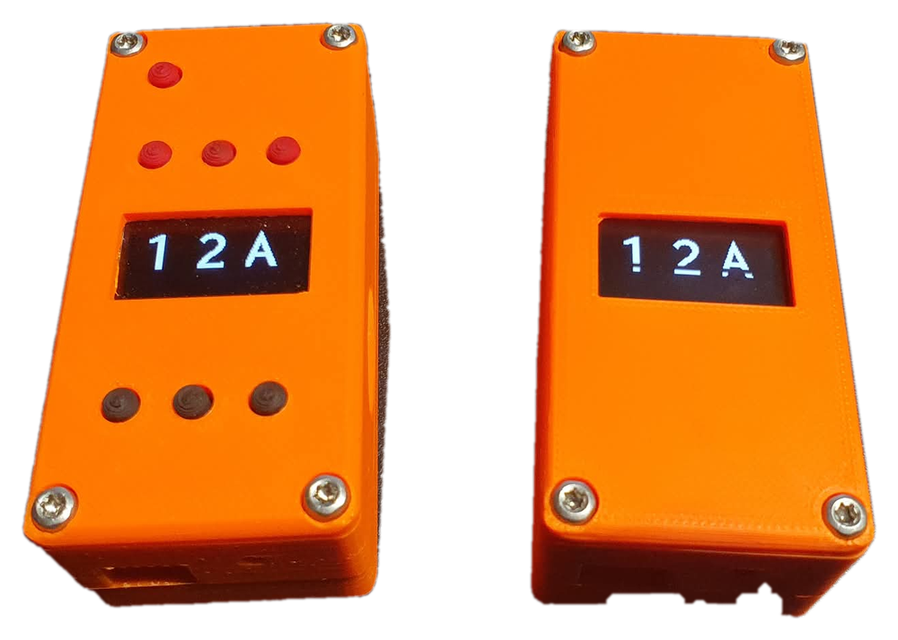
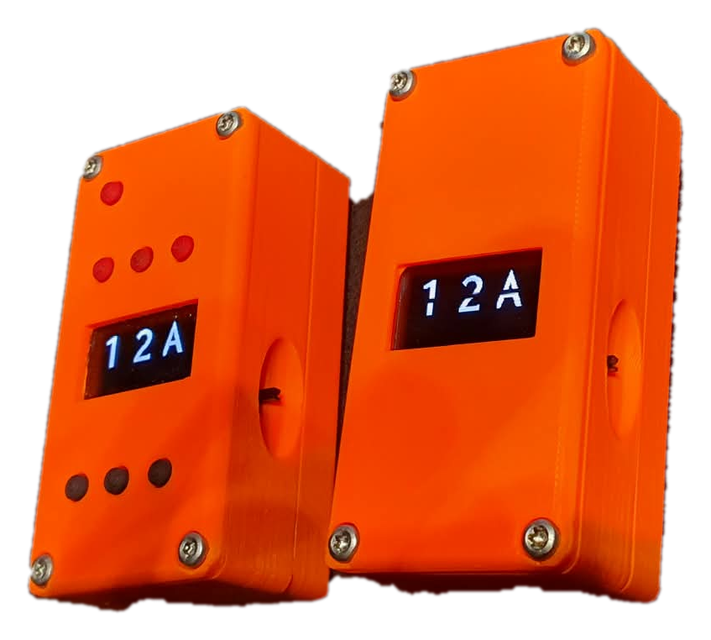
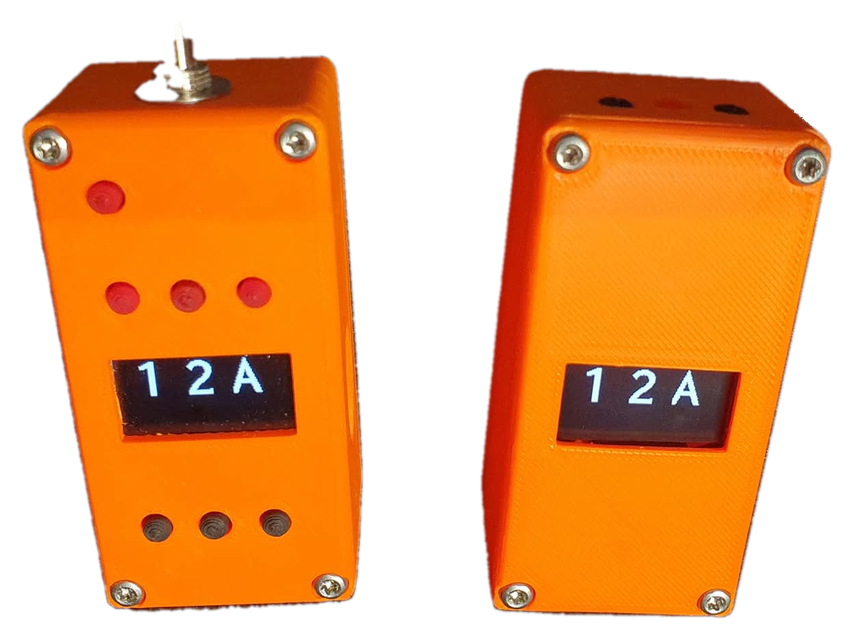
Transmitter & receiver
In multi-storey residential buildings, cables are usually laid in advance by electricians – and the labelling of which cable leads to which flat is often missing or wrong. With the VFL V2, the installer in the flat sets the flat number on the transmitter. The transmitter sends it into the fibre as light pulses. In the basement, the colleague holds the receiver against the bare fibre – and reads the number directly on the display.
| Wavelength | 650 nm (red light) |
| Range | approx. 3 km |
| ID | 3 characters, 0–9 and A–H (5,832 combinations) |
| Transmitter port | 2.5 mm ferrule |
| Receiver | No connector needed – directly on the bare fibre |
| Transmitter controls | 7 buttons, display |
| Battery | 3,000 mAh |
| Operating time | over 12 hours |
| Charging | Micro USB |
| Warranty | 2 years from invoice date |
| Replacement | Within 2 working days |
| Manufacturing | Handmade in Austria 🇦🇹 |